US Wildfire Response Could Force Poorest Out of Paradise
In The News Piece
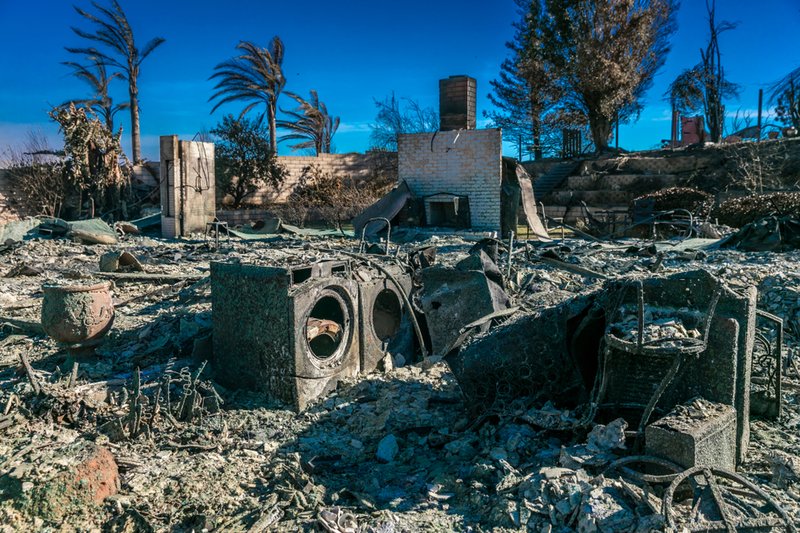
Joseph Sohm / Shutterstock.com
Jan. 31, 2024
Reuters quoted Senior Policy Analyst Tim Robustelli in an article on how low-income households face challenging relocation decisions in the wake of climate disasters. The piece explores how policies from insurance companies and FEMA leave behind the most vulnerable.
“Buyouts have long been controversial among policymakers, but that is changing as the risks grow, said Tim Robustelli, a senior analyst at the New America think tank.
Now the problem is ensuring that buyout funds - which are limited - are used fairly and help the most vulnerable, he said.
‘Buyout programs have gone to wealthier and whiter counties,’ he said, noting that predominantly white communities have swallowed up 85% of FEMA’s buyout budget.
‘Whiter and wealthier counties have the resources to apply for these kinds of programmes - it’s a complicated process.’”
…
“Robustelli said the government is experimenting with how to ensure buyouts are more fair and make best use of limited funds.
A federal pilot project, for instance, is giving three Native American tribes in Alaska and Washington state $25 million each to relocate.
The process is unique in that the funding is proactive, offered before a disaster even hits, but also because it is led by the communities, said Robustelli, who co-authored a report on the issue in October.
And in that, he said, are lessons for all the nation.
‘What we saw being implemented there – listening sessions, being really deliberate about outreach … taking the ideas of the most marginalised into account – that’s something worth emulating across the United States.’”
Read the full article here, and read FLH’s report on managed retreat here.