Prioritizing Battery Storage to Bolster US National Security
Article/Op-Ed in Inkstick
petrmalinak/shutterstock.com
March 8, 2021
Christopher Jackson published his essay from New Models of Policy Change's essay contest on redefining national security in Inkstick.
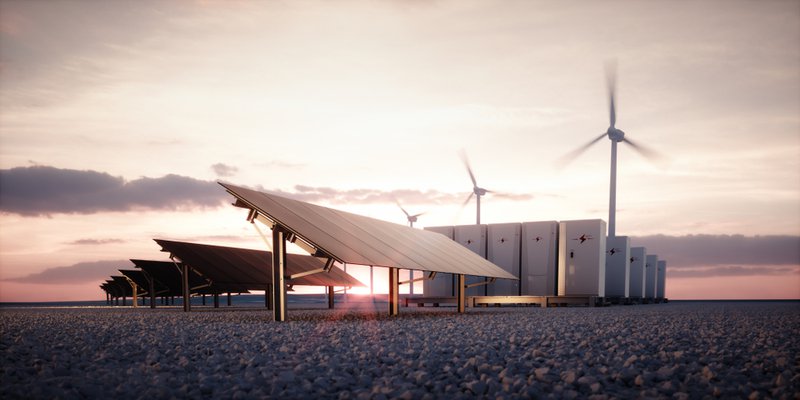
Given the United States’ struggles to deploy new large-scale nuclear power sources, it is clear that renewable energy sources, such as wind and solar, will drive these decarbonization efforts. In 2021, wind and solar are expected to account for 70% of new electric generating capacity additions. The intermittency of these new electricity sources means that this deployment must be accompanied by a significant amount of grid-scale battery storage. By 2030, battery demand for energy storage in the United States is expected to increase 110-fold over 2018 levels. In addition, increasing deployment of electric vehicles (EVs) to reduce carbon emissions from the transportation sector are expected to increase demand for US electricity consumption by as much as 38%. In June 2020, California Air Resources Board passed the Advanced Clean Truck Regulation, requiring more than half of all trucks sold in the state to be zero-emissions by 2035. By 2030, compared to 2018, the United States will see a 17-fold increase in battery demand for electric mobility.
Battery storage is critical for US energy independence and national security. In 2019, the United States imported 9.10 million barrels per day of petroleum, a gasoline precursor, from nearly 90 countries. While recent increases in domestic petroleum production have reduced reliance on foreign oil producers, finding, producing, and moving crude oil can have significant negative effects on the environment. A continuing reliance on carbon-based energy exacerbates damage to our changing climate, necessitating adaptations that will cost billions of dollars and that the United States is not prepared for. A secure energy future for the United States means domestic, clean energy production — a future that requires a massive scale-up in battery technology and deployment.